
NRI: THE INSTITUTION THAT REACHED BEYOND ITS BORDERS
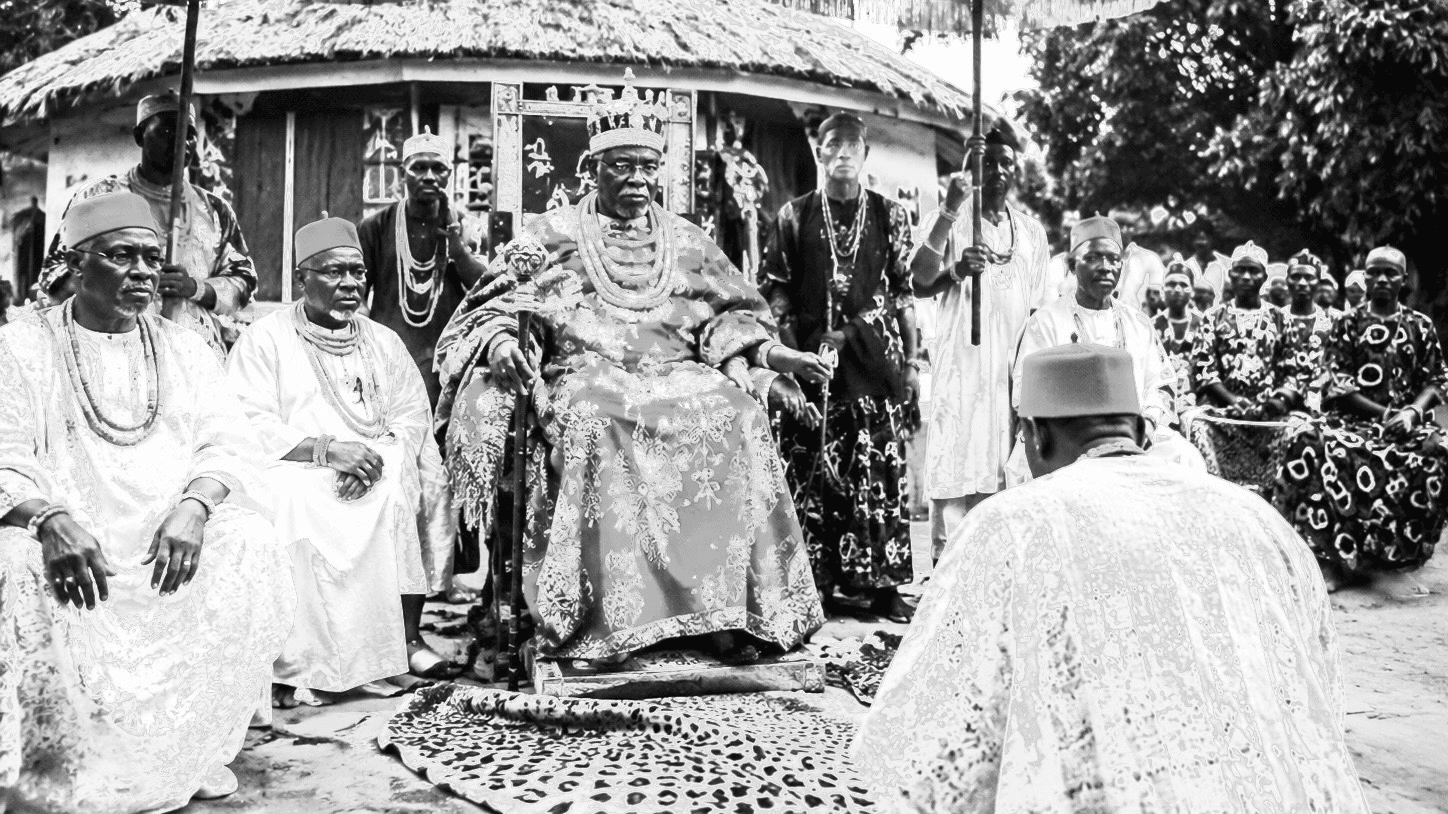
Long before Nigeria existed as a country, communities across what is now southeastern Nigeria had established ways of organizing their societies, recognizing authority and maintaining relationships with one another.
One example was Nri, an ancient Igbo civilisation centered in present-day Anambra State. Its influence extended beyond immediate geographical boundaries, reaching several Igbo communities through a system built on spiritual authority, tradition and shared institutions. And unlike kingdoms commonly associated with territorial expansion through military conquest, Nri’s influence rested on something different: its religious and cultural standing.
At the centre of this institution was the Eze Nri, a priest-king whose authority was connected to the spiritual and social life of the communities that recognised it. Through ritualists and representatives, Nri’s influence extended into other settlements. Its authority was sought in matters like purification, sacred traditions, the resolution of disputes and the regulation of social practices.
Its influence was also associated with the Ọ̀zọ̀ title system, a chieftaincy system, which carries significant social and spiritual standing in Igbo communities. Nri did not exercise uniform control over every community it influenced. Many Igbo settlements maintained their own political structures and local autonomy. Yet, through shared religious practices and the recognition of its ritual authority, Nri established connections that reached well beyond its immediate territory.
This is what makes its history particularly interesting. Its influence was not dependent solely on the size of its territory, but on the institutions and beliefs that connected people across different communities.
Archaeological discoveries at Igbo-Ukwu, including intricate bronze objects, vessels and other artefacts dating to around the ninth and tenth centuries, offer evidence of the sophisticated material culture that developed in this region.
Nri’s story is not simply about the past. It raises a question about the institutions we are building today. Because institutions give societies continuity, they establish standards, organise responsibilities, preserve knowledge and create structures through which people can work towards shared interests.
Nri demonstrates that African societies had developed complex ways of organising authority and sustaining relationships long before colonial administration introduced its own systems of governance. Remembering this history should encourage an examination of what made these institutions function, what weakened them and what lessons can inform the institutions we are building today.
Our societies have built institutions before. The question is what we are building with that knowledge today.