
The People Shaping African Youth Culture Are Not Sitting at the Decision-Making Table
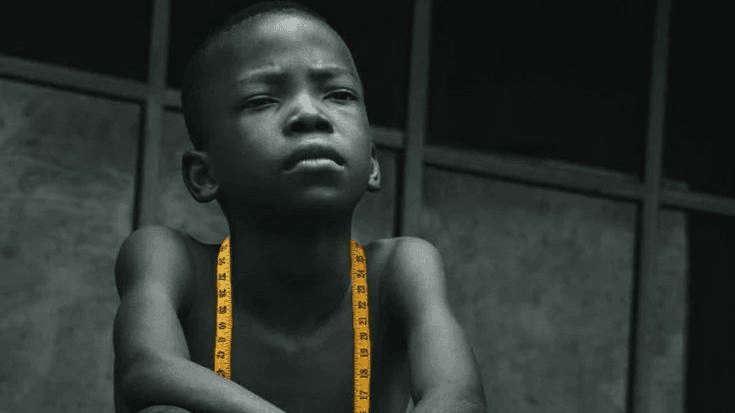
Image Source: Oyetunde Oluwanifemi
There is something interesting about the way societies recognise influence.
We often notice the things people create before we notice the people creating them.
We celebrate the song, but sometimes we don’t ask about the person who gave a generation new words for feelings it had struggled to express.
We admire the film, but sometimes overlook the filmmaker who changed how people see their own stories.
We wear the designs, repeat the phrases, share the images and adopt the ideas, often without stopping to consider that behind every cultural shift is someone who first imagined it.
It is easy to recognise what culture produces, but it is much harder to recognise who is shaping it.
And that creates an important question:
Who are the people influencing how a generation sees itself, and why are they often missing from conversations about where that generation is going?
Culture has always been one of the quiet ways societies introduce themselves to themselves.
Before a people writes its history, it often tells its stories.
Before a generation defines its values, it expresses them through the things it creates.
Through music, film, fashion, literature, technology, food and art, people reveal what matters to them. They reveal what they remember, what they question, what they hope for and what they are trying to preserve.
This is especially true for young Africans today.
Across the continent and beyond, a generation of creators is redefining what African identity looks like in a rapidly changing world. They are telling stories that move beyond old stereotypes. They are building brands rooted in heritage. They are creating sounds that carry local experiences into global spaces. They are documenting communities, preserving memories and introducing new ways of seeing what it means to be African.
Yet, when conversations about the future of young people take place, the people shaping this cultural imagination are often not the ones invited to participate.
Their work is visible. Their influence is undeniable. But their perspectives are sometimes absent.
This may be happening because we have always been more comfortable separating culture from leadership.
We understand decision-makers. We understand policymakers. We understand people with official titles and recognised positions. But culture does not always move through official channels.
Sometimes it moves through a filmmaker telling a story nobody thought was worth telling.
Sometimes through a designer proving that tradition and modernity can exist together.
Sometimes through a musician capturing emotions that millions of people have felt but never had the language to express.
Sometimes through a young entrepreneur building something that reflects the needs and aspirations of a new generation.
These people may not write policies. But they influence the people who will live under them.
They may not sit in government offices. But they shape conversations that eventually reach those offices.
This is why cultural influence deserves to be understood as more than entertainment.
Culture is not separate from society. It is one of the ways society understands itself.
And when the people shaping that understanding are excluded from conversations about the future, something important is missing.
The answer is not to create a structure that controls culture, defines creativity or decides which voices matter. Culture has never grown that way. It has always belonged to the people who live it, create it and carry it forward.
The purpose of the proposed Office of the Tomorrow’s People is to create a space where those voices can be recognised and connected to broader conversations about the future.
Not as an institution that decides what culture should become. But as a space that recognises the people already shaping it and creates room for their experiences, ideas and perspectives to be part of wider conversations about the future.
Because representation is not only about who appears in a room. It is also about whose understanding of the world is considered valuable enough to influence what happens next.
The artists, designers, filmmakers, musicians, storytellers and entrepreneurs shaping African youth culture are not simply creating things for people to consume. They are helping a generation recognise itself.
Right now, the question we should be asking is not only who will lead the next generation.
Maybe we should also ask:
Who has already been teaching that generation how to see itself?