
Who Is Speaking for the Next Generation?
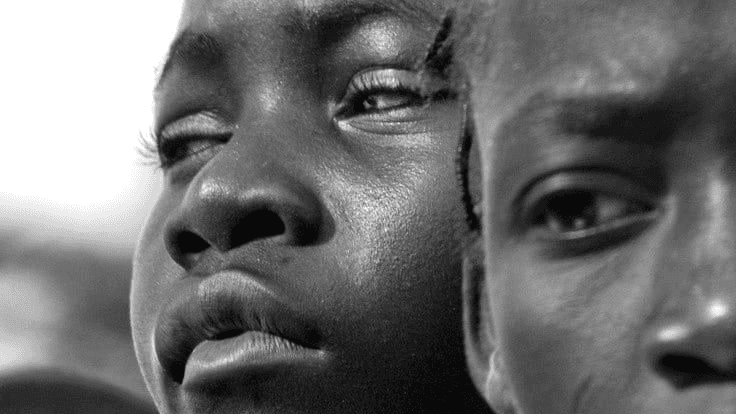
Image Source: Pinterest
There is a subtle difference between speaking for someone and knowing what they would have said if they had been in the room themselves.
Most of us have experienced it at some point. Someone answers a question on our behalf. They explain our intentions, interpret our choices or assume they already understand what we are thinking. Sometimes they get it right. Sometimes they do not. But regardless of the outcome, there is always something irreplaceable about hearing a person speak in their own voice, from their own experience.
It is strange, then, that societies often become comfortable making decisions about generations in ways they would never accept in ordinary relationships.
We discuss young people endlessly. We debate what they need, what they value, what they should become and what kind of future they deserve. Reports are written. Policies are drafted. Programmes are launched. Panels are organised.
But still, somewhere in the middle of all this activity, there is one unanswered question:
Who is actually speaking for the next generation?
Not who is speaking about them.
Who is speaking for them?
And more importantly, who even decided they should?
Representation has always been one of those words that sounds complete until you begin to examine it more carefully. We often assume that because someone cares deeply about a community, they can naturally represent that community.
Of course, care matters. Experience matters too. Wisdom matters. But representation asks for something more demanding than goodwill. It asks whether the people whose lives will be shaped by today's decisions have even had a meaningful opportunity to shape those decisions themselves.
That is not simply a question about youth. It is a question about trust.
Because every generation sees the world from where it stands.
Young people are not merely younger versions of those who came before them. They are encountering a world with different technologies, different economic realities, different forms of work, different cultural conversations and different uncertainties. They are building relationships in spaces previous generations never imagined. They are creating careers that did not exist a decade ago. They are inheriting challenges they did not create while being expected to imagine solutions that do not yet exist.
To understand a generation, it is not enough to study it from a distance. At some point, understanding requires conversation.
That is where representation either becomes genuine or remains symbolic.
A representative is not simply someone who speaks well. A representative is someone who has remained close enough to the people they claim to represent that their voice still carries the texture of lived experience. They understand not only the successes that make headlines, but also the quiet frustrations that rarely become public conversations. They know what excites people, what discourages them, what they fear losing and what they are still hoping someone will notice.
Without that closeness, representation slowly becomes interpretation. And interpretation, however sincere it may be, is never the same thing as participation.
This is why we are proposing the Office of the Tomorrow's People.
It is not because young people lack ideas, ambition or places where they already contribute. No. They have all of those. The deeper question is whether there are intentional spaces where those experiences can meet leadership, institutions, communities and decision-makers before choices about the future are made.
An office, if it is to deserve its name, should not exist to speak over a generation. It should exist to remain accountable to it, to listen before it represents, to understand before it advises and to carry forward conversations that might otherwise never reach the places where decisions are made.
Maybe the measure of representation is not how confidently someone can speak for others.
It might just be how faithfully they can carry the voices of those who trusted them to speak at all.
No generation should have to wait for history to explain what it was trying to become while it was still here, trying to become it.