
Monday, October 19th 2026
Building Cities That Work
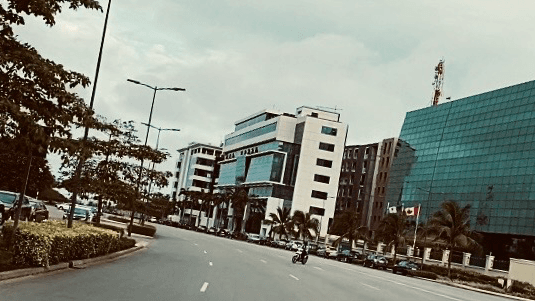
Have you ever looked at a building and wondered why it was designed that way? Or walked through a city and noticed how much could work better with a few changes?
Building a city is more than constructing houses, paving roads and adding modern infrastructure. It means understanding the people who live there, their environment and the systems they depend on. Across Africa, the question isn’t simply how to build modern cities, but how to build cities that work.
One architect we spoke to noted that their architectural education placed significant emphasis on European architecture, with less attention given to how African architecture has evolved into modern forms. They cited Nigerian architect and artist, Demas Nwoko as an example of someone exploring how architecture can reflect African identity. Have we confused modernisation with abandoning what already works for us? His home alongside that of Kunle Afolayan, remain a perfect example of African architecture, and have gained recognition on social media these past weeks.
Buildings should do more than look beautiful. Their designs must consider ventilation, natural lighting, temperature, materials and the surrounding environment.
Yet, aesthetics can sometimes take priority over function. Modern architecture doesn’t have to sacrifice comfort, practicality or cultural identity. Contemporary designs can incorporate local materials, climate-conscious principles, colour and greenery.
The goal isn’t to return to the past, but to build on what we know while making room for improvement.
A city is a system. Consider waste management. When waste blocks drainage channels, it can contribute to flooding and erosion, damaging roads and increasing repair costs. One problem affects another.
An agriculturalist and urban development respondent suggested treating waste as a resource. Recyclables can support manufacturing, while organic waste can be converted into compost or, where suitable infrastructure exists, biogas.
This approach connects waste management to agriculture, energy production and environmental protection.
The same principle applies to housing, transportation, water and electricity. These systems must work together and respond to how residents actually live.
Importing solutions without understanding local conditions can produce infrastructure that looks impressive but fails to meet people’s needs. Smarter cities begin with understanding their problems before adopting solutions.
Awka, the capital of Anambra State, illustrates some of the challenges growing African cities face. One respondent familiar with the city identified drainage and erosion control, compliance with building regulations and professional accountability as priorities. They also proposed keeping records of building designs and the professionals responsible for construction, making it easier to establish accountability when problems arise.
These concerns extend beyond Awka.
Growing cities must plan for expanding populations, preserve land for essential infrastructure and ensure buildings meet appropriate standards. Infrastructure designed only for present needs may become inadequate as a city grows. Planning must consider not just what can be built today, but what will be needed tomorrow.
On paper, success might mean kilometres of roads constructed, houses completed or projects commissioned. On the street, it means access to clean water, efficient movement and drainage systems that function when it rains. Infrastructure that looks impressive at launch can still fail residents without proper maintenance, management and accountability. Building well is only part of the job. Cities must also build what they can maintain.
So, what makes a city smart?
A smart city doesn’t necessarily need futuristic buildings or expensive technology, the smarter solution is reliable public transport, functional drainage, climate-appropriate buildings or consistent waste collection. What matters is whether the systems we create solve the problems people experience.
Nature belongs in the city, the presence of trees along roads and around residential areas offers a useful point of observation. Vegetation can contribute to shade, improve the experience of public spaces and, support urban cooling.
Our cities can modernise without abandoning our identity, combining new technologies with local knowledge, materials and environmental realities.
Achieving this requires governments that enforce regulations, professionals who take responsibility, developers who prioritize function alongside aesthetics, and residents who participate in maintaining their environment.
A city isn’t defined only by what it builds, but by how well those structures and systems continue to serve its people.