
Friday, July 24th 2026
Digital Identity Explained
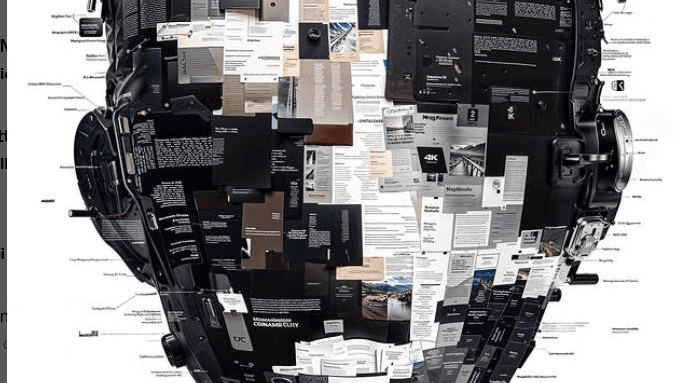
There was a time when your name was enough.
People knew who you were because someone else knew you.
Your character travelled ahead of you. Your reputation lived in conversations. Your identity was carried by memory.
In many African communities, introductions rarely began with "Who are you?"
They began with "Whose child are you?"
Not because your parents defined your future, but because identity was never understood as something you created alone. It was something held together by family, community, history, and trust.
To know you was to know your story.
The world has changed.
Today, millions of people interact with one another without ever sharing a meal, shaking hands, or standing in the same room. We buy from strangers. We learn from strangers. We work for strangers. Sometimes, we even trust strangers.
Yet somehow, these strangers know enough about us to make decisions that shape our lives.
That is the power that digital identity carries.
It is not your username.
It is not your password.
It is not even your photograph.
It is the version of you that exists inside systems.
The version built from patterns.
The version created every time you make a payment, complete a transaction, apply for a service, leave a review, verify your information, or simply show up consistently enough for technology to recognize you.
Every digital interaction leaves behind more than data. It leaves behind value, or maybe, the absence of it. Over time, those moments become the reputation that technology remembers.

Digital identity is becoming the passport to modern life.
Across Africa, it is opening doors to financial services, healthcare, education, entrepreneurship, and opportunities that once depended on paperwork or physical location. It allows people who have long been invisible to formal systems to finally be seen.
But every door that opens brings one question to mind:
"Can we trust who is entering?"
Digital identity is how that question is answered.
At MadeInBlacc, we believe the digital age has not changed the meaning of identity. It has changed where identity lives.
Yesterday, it lived in memory.
Today, it lives in systems.
Tomorrow, it will live in everything we touch.
Perhaps that is why the future will not simply belong to those who have access to technology.
It will belong to those moving with direction, not just speed.
It will belong to those who understand that every interaction is becoming part of their identity.
Because history once remembered us through stories.
The digital age remembers us through patterns.
And one day, those patterns may speak long before we ever do.