
Thursday, September 24th 2026
Heritage Isn’t Only What’s Behind Museum Glass. Sometimes It’s the Street You’re Walking On
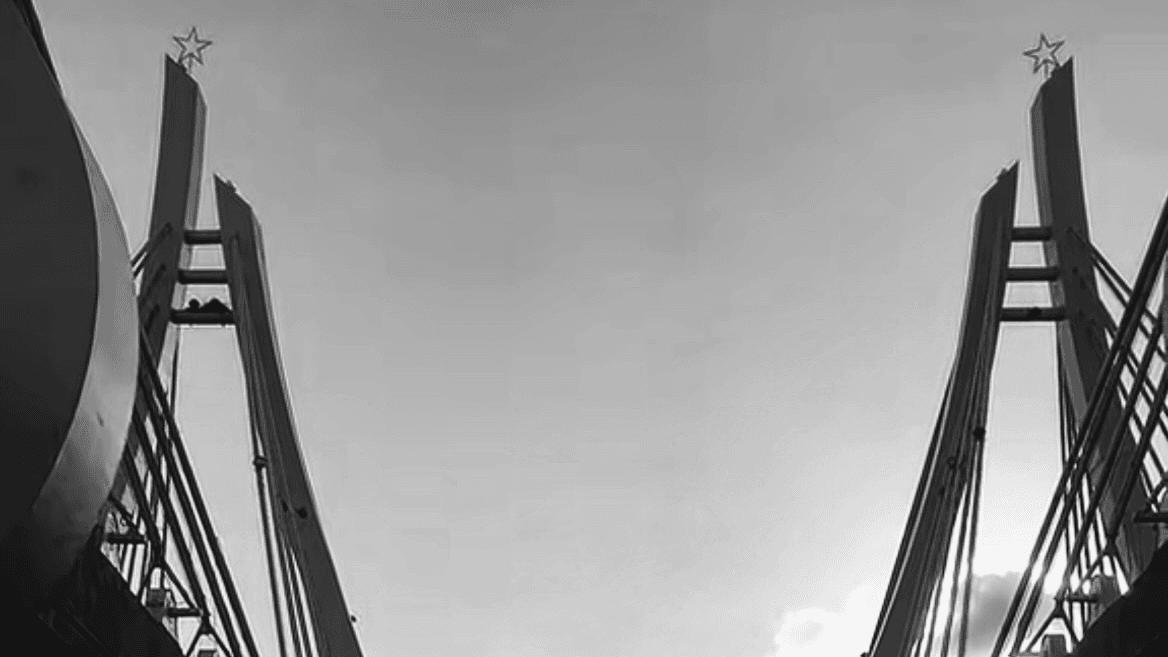

Some cities announce themselves with monuments. Awka has other ways. There are the triangular structures along the Onitsha-Enugu expressway, there is UNIZIK, there is Eke Awk, and there is the old identity of Awka as Smith City. But some of what makes Awka recognizable is much harder to point at.
For generations of students, it is Miracle Junction, Yahoo Junction, Next Level Junction, Coke Centre, PG School, School Gate and the streets around them. Ordinary places where people met, ate, traded, made friends and built memories without knowing they were creating a record of the city. The city has grown around these memories.
School Gate, once less occupied, now has businesses, food spots, phone repairers, beauty stands and lodges serving an expanding student population. The people change. The buildings change. The city adjusts. The small routines people built around a place realigns.
Awka’s heritage lives in its traditions, from blacksmithing to Imo Ọka, the cultural practice that still enter its streets. It lives in Eke Awka, where different generations meet and exchange more than goods. It lives in local traditions around protecting animals such as pythons and monkeys. And it lives in something less tangible, the tendency to show up for one another.
Then there are places that may never be called heritage at all. Inside UNIZIK, the Postgraduate School of Studies can become remarkably quiet. Greenery, bird calls, clean paths, and little noise. It is easy to overlook such a place because nothing dramatic is happening there. But perhaps that is exactly what is worth preserving.
Awka will keep developing. It should.
The question is whether, in becoming newer, it will remain recognizable. Because a city’s heritage is not always sitting behind museum glass. Sometimes, it is simply the street you’re walking on.
Photo credit: shotby67
