
Wednesday, October 21st 2026
How Awka Makes a Living: The Economy Behind Everyday Life
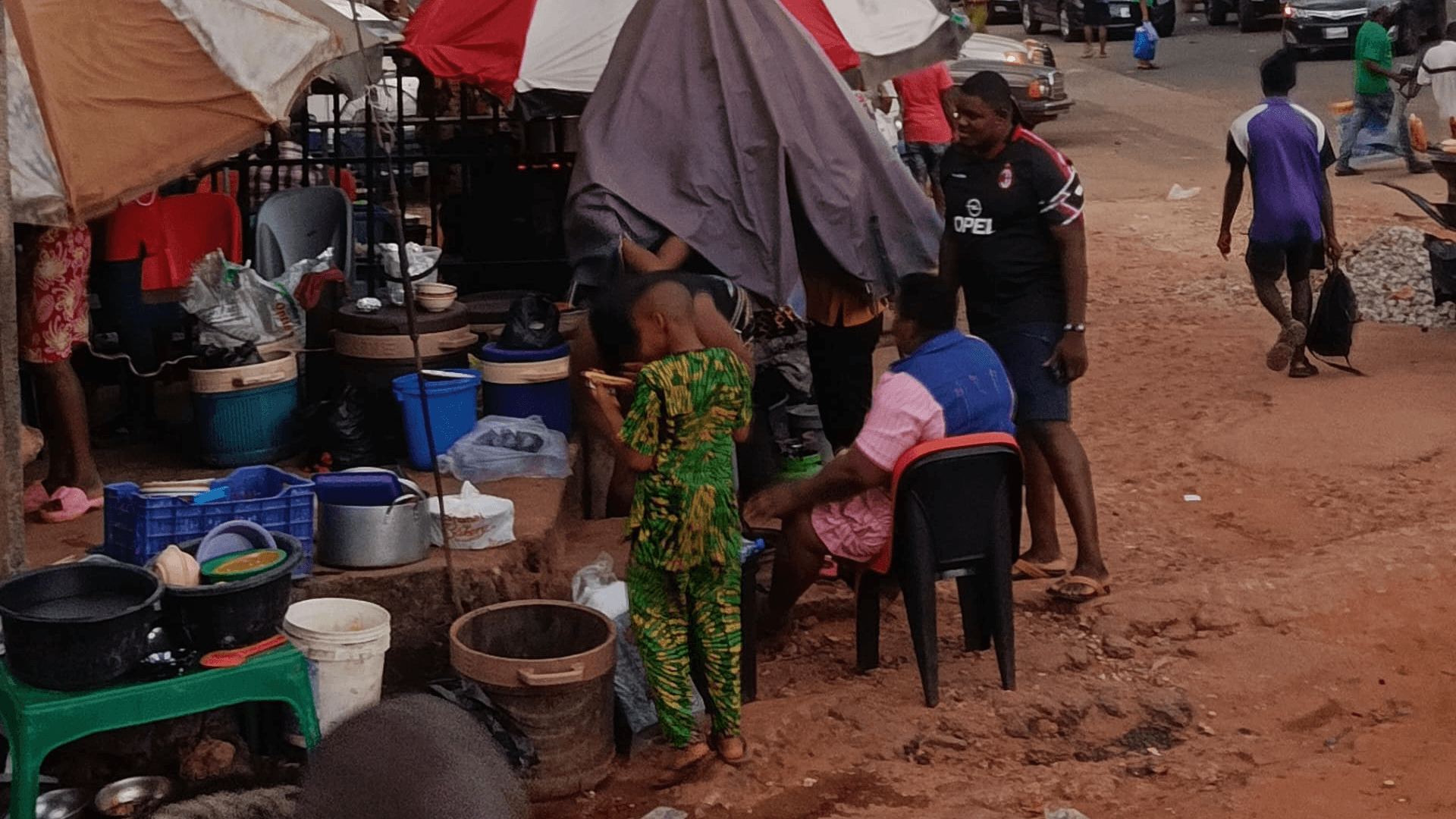

Every morning, Awka comes alive with people trying to make a living. From traders arranging their goods at Eke Awka Main Market to mechanics, tailors, food vendors, phone technicians and small business owners, thousands of people depend on their daily work to support themselves and their families.
Their activities may seem ordinary, but together, they form an important part of the city's economy.

This is the informal economy; the network of small businesses, trades and services that keeps everyday life moving, often outside large companies and formal institutions.
Awka's informal economy extends far beyond its markets. Artisans repair vehicles and electronics, food sellers serve busy workers and students, while tailors, hairdressers and other service providers meet everyday needs.

Each business also depends on others. Traders need transporters to move goods; mechanics need spare-parts dealers; and businesses need customers with money to spend.
When roads are poor, electricity is unreliable or drainage problems disrupt business areas, the effects can spread across this network. The challenges of one business may be connected to the wider systems supporting the city.

For many traders, making a living is not just about selling goods. It is also about managing rising costs, finding customers and making enough profit to continue operating.
In a report published by the Anambra State Government on April 18, 2026, traders at Eke Awka Main Market described the pressure of increasing commodity and transportation costs.
Pepper trader Mrs. Augustina Okafor reported that a basket of pepper had risen from ₦30,000 to ₦90,000, which she attributed to higher transportation costs. Cosmetics merchant Obinna Anikwe also linked rising prices to increased fuel costs.

These experiences show the difficult position small traders can find themselves in. When the cost of buying goods rises, selling prices may rise too, while customers struggling with their own expenses may buy less.
The result is a constant balancing act between making a profit and keeping goods affordable.
The people sustaining Awka's economy need more than praise for their hard work. They need conditions that make their work more productive and sustainable.

Better roads and market facilities, reliable electricity, affordable financing, practical business training and access to digital tools could help small enterprises operate more effectively.
Listening to traders and artisans is equally important. Their everyday experiences can help identify the challenges that policies and development plans need to address.
Awka's story is not told only through new buildings and major projects. It is also told through the people who open their shops each morning, provide essential services and keep money circulating within the community.
How does Awka make a living? Through the everyday effort of thousands of people whose work keeps the city functioning.

A better future for Awka must therefore include the people who sustain its present not just by celebrating their hustle, but by building systems that give their businesses room to grow.