
Tuesday, September 15th 2026
Oral Tradition: What Our People Preserved Before History Had Paper
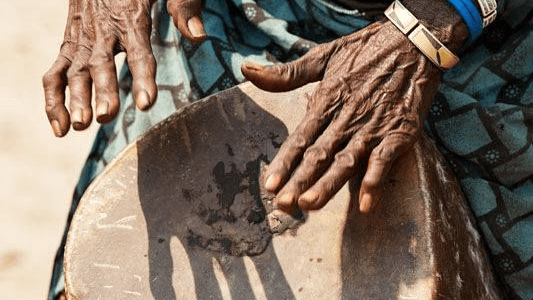
The first library most Africans ever entered did not have the walls we see today.
It had a grandmother. Or a grandfather. Or just an elder whose voice carried the weight of generations.
Long before history found its way into books, it found a home in people.
Across Africa, knowledge travelled from one generation to the next through stories, proverbs, songs, poetry, and memory. In many societies, specially trained custodians of history, such as the griots of West Africa, and elders in communities across Nigeria preserved genealogies, migrations, royal lineages, moral codes, and the stories that gave a people their identity. They were not simply storytellers.
They were living archives.

Among the Igbo, history was rarely separated from everyday life. It was told in moonlight gatherings, woven into folktales, spoken through proverbs, and repeated during festivals and family meetings. A child did not simply hear a story. That child inherited a memory.
That is the hidden power of oral tradition.
Paper stores information but then, people preserve meaning.
A book can simply tell you what happened, but a storyteller goes deeper to teach you why it mattered.
Oral Tradition did not just record the past.
It shaped character, preserved identity, and reminded every generation that they belonged to a story much older than themselves. Oral traditions have long served as vital historical sources in reconstructing the histories of many Nigerian societies, especially where written records were limited.
Today, we can save thousands of photographs with a single click, yet we risk forgetting the stories behind them.
Maybe our ancestors understood something we are only beginning to rediscover.
History is safest not when it is written on paper but when it is written into people.