
Friday, October 2nd 2026
Traditional Governance – How Communities Organized Authority, Responsibility and Collective Life
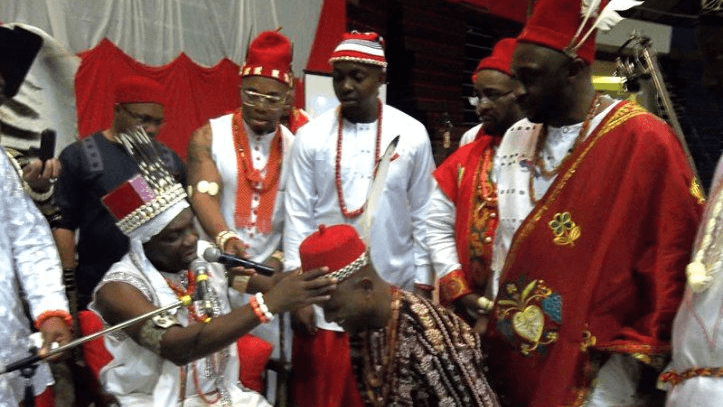
I have often wondered how people built strong communities before there were government buildings, official positions, and written laws guiding every decision.
How did they decide what was right?
Who did they turn to when there was conflict?
How did they ensure that one person's actions did not destroy the peace of many?
The more I looked into the societies that came before us, the more I realized something important:
Our ancestors knew that a community could not survive on authority alone. It needed responsibility.
Across many African societies, governance was not separated from everyday life. It happened in the places where people gathered, in the conversations between elders, in the responsibilities carried by age groups, and in the decisions made for the good of everyone.

Among the Igbo, leadership was not simply about having power over others. Many communities operated through councils like the umunna, ndị ozo, umuada, ndị ichie and village assemblies where matters affecting the people were discussed collectively.
The idea was simple:
Those who would live with a decision should have a voice in its planning.
The Igbo have this saying: "Igwe bu ike." - The community is strength.
It captures this belief.
A person could be respected for their wisdom, but no one stood above the community. The farmer, the trader, the elder, and the youth all had roles to play because a society was seen as something everyone contributed to building.
Different African societies created different systems of leadership, but almost all of them shared the same understanding that authority was not a reward. It was a responsibility.
A leader was expected to protect the people, preserve peace, and think beyond personal interest.
Every generation will create its own pattern of responsibility.
But the question we must continue to ask is this:
If our ancestors carried responsibility as a duty, what are we carrying today?