
Thursday, August 27th 2026
What is Intellectual Property?
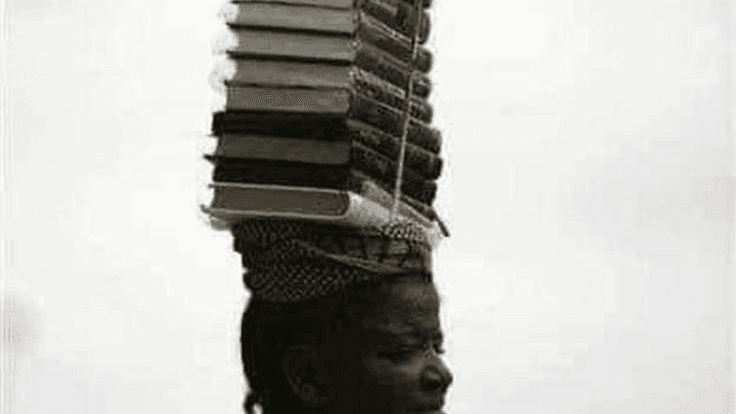
Indeed, not all treasures are buried in the ground.
Some of them are buried in the mind.
Long before oil was discovered in Nigeria, before tin was mined on the Plateau, before coal powered the railways, Nigerians were already creating wealth from something no one could touch.
An idea.

Let’s take a look at Nsibidi.
Centuries before colonial rule, the Ejagham (Ekoi) people of the Cross River region developed one of Africa's oldest systems of graphic communication: Nsibidi. Through commerce, diplomacy, and cultural exchange, it spread across much of southeastern Nigeria, where its symbols appeared on textiles, pottery, buildings, ceremonial objects, and even the human body.
But Nsibidi was more than a writing system. It was protected knowledge. Certain symbols could only be understood or used by members of specific societies, preserving their meaning, value, and integrity across generations.
They understood a truth the modern world would later write into law:
What is created by the mind can become as valuable as anything created by the hand.
Today, we protect inventions with patents, books with copyright, logos with trademarks, and designs with legal rights, but the principle has never changed.
When an idea becomes a song, a design, a machine, a piece of software, a medicine, or a work of art, it becomes more than imagination.
It becomes property.
Not just because it occupies space.
But because it required someone to think what no one else had thought and build what no one else had built.
Maybe, just, maybe, intellectual property exists for this simple reason:
To remind us that the greatest wealth a person can create is not found in the ground.
It is found in the mind.
And the greatest ideas are never the ones we think in the mind, but the ones we build.